
Spray Foam vs. Other Types of Insulation
Spray Foam Insulation Material
October 28, 2026
It’s important to understand the options your customer will have.
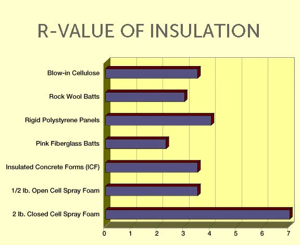
Spray foam insulation offers several advantages over traditional insulation methods like fiberglass and cellulose:
- Higher R-Value: Spray foam insulation provides superior energy efficiency with a higher R-value per inch, leading to better thermal insulation compared to fiberglass and cellulose.
- Air Sealing: Spray foam expands as it’s applied, filling gaps and cracks that other insulation methods cannot reach, creating an airtight seal that prevents drafts and moisture intrusion.
- Longer Lifespan: Spray foam insulation has a longer lifespan compared to fiberglass and cellulose, requiring less maintenance and replacement over time.
- Mold and Moisture Resistance: Unlike fiberglass and cellulose, which can absorb moisture, spray foam is resistant to mold and mildew, preventing potential structural damage.
These selling points can be utilized by contractors in marketing materials, such as a brochure, to help customers understand the long-term value of spray foam insulation, including annual savings of 5-30% on utility bills.
Related Articles

March 16, 2026
Spray Foam Business
How can spray foam insulation help with building code compliance?
Staying Ahead of New Building Codes—How SprayEZ Helps You Deliver Stronger, More Efficient Builds With ever-evolving…

September 16, 2026
Spray Foam Business
How to Bid Spray Foam Insulation Projects
A Simple Snapshot of How to Perform an Estimate Bidding spray foam insulation projects involves several key steps to ensure…

October 14, 2026
Spray Foam Insulation Material
Spray Foam Industry Outlook and Growth Potential
New Row House Construction with wood sheathing and asphalt roof The spray foam industry is expected to continue its growth…