

How can spray foam insulation help with building code compliance?
Spray Foam Business
Spray Foam Insulation Material
Spray Insulation News
March 16, 2026
Staying Ahead of New Building Codes—How SprayEZ Helps You Deliver Stronger, More Efficient Builds
With ever-evolving International Energy Conservation Code (IECC) requirements, contractors are increasingly turning to Spray Foam Insulation to meet code quickly, efficiently, and with better performance results.
Across the Northeast especially, states are rapidly adopting higher R-values, tighter air‑sealing requirements, and mandatory continuous insulation.
Partnering With SprayEZ Makes Code Compliance Easier
- Achieve Higher R‑Values in Less Space
Closed‑cell SPF delivers R‑6 to R‑7 per inch, allowing you to meet R‑49–R‑60 attic targets or high-performance wall assemblies without adding excessive build-up. - Natural Air Barrier for Easier Blower Door Tests
SPF expands to seal cracks, seams, electrical penetrations, and rim joists—helping projects pass ACH50 testing on the first attempt. - Supports Continuous Insulation Requirements
Closed‑cell foam offers both insulation and structural rigidity, making it a strong solution when states require exterior CI or thermal‑bridge reduction. - Moisture Resistance + Strength
Closed‑cell SPF adds rigidity, reduces risk of condensation, and strengthens the building envelope—crucial in cold climates.
Backed by SprayEZ Training & Support
- Hands‑on training
- Reliable equipment and rigs
- Flexible financing and payment terms
- 24/7 Technical support
- Fast access to chemicals and parts
- Contractor Reward Points
Why SPF Is Still Valuable in All States — Even Those Not Facing Stricter Codes
SPF continues to deliver major advantages that benefit contractors and homeowners alike:
- Higher Comfort + Lower Energy Bills (Nationwide Value)
Even in Zones 1–3 (e.g., Florida, Southeast), spray foam insulation helps reduce air infiltration—one of the biggest drivers of wasted energy—lowering cooling costs and improving comfort year‑round. - Moisture Control in Hot/Humid States
Closed‑cell SPF resists moisture absorption and helps prevent condensation within walls—critical in high‑humidity coastal regions and southern climates. - Structural Strength in Hurricane- and Tornado‑Prone Areas
Closed‑cell foam adds racking strength to walls and roof assemblies, making it popular in states with high wind requirements. - Ideal for Metal Buildings, Pole Barns & Specialty Structures
Many states have large markets for metal buildings used in agriculture, storage, and commercial applications. Spray foam insulation solves common issues like:- Condensation (“sweating” metal)
- Hard‑to-seal seams
- Temperature control in unconditioned spaces
- Better Indoor Air Quality by Reducing Pollutants & Allergens
Spray foam insulation air-seals the envelope in all climates, reducing dust, pollen, pests, and outdoor pollutants—valuable even where minimum code requirements are lower. - One-Step Air Seal + Insulation Reduces Labor Costs
For states without aggressive code enforcement, spray foam insulation still saves contractors time and labor by replacing multiple steps:- Batt installation
- Air sealing
- Vapor barrier layers
- Caulking and taping
- Rim joist sealing
This matters across every market where labor is tight, scheduling is a challenge, or crews are stretched thin.
The Bottom Line
Whether you’re building in a state with tightened performance code requirements—or one with more moderate standards—spray foam insulation remains one of the most effective ways to deliver a tighter, more comfortable, more efficient building envelope.
Partnering with SprayEZ helps you meet code, reduce callbacks, streamline installation, and provide customers with long‑term performance benefits.
If you’re planning upcoming builds and want to talk through equipment options, foam selection, or region‑specific requirements, our team is here to help.
Let us help with your next project!
Best regards,
The SprayEZ Team
***CONTRACTOR REWARDS BONUS CODE: SPRA YEZB UILD
Related Articles
April 29, 2025
Spray Foam Business
Choosing the Right Spray Foam Rig & Equipment: Your Guide to Optimizing Performance and Efficiency
When you're in the business of spray foam insulation, the equipment you use plays a crucial role in your success. Whether…
April 29, 2025
Soil Stabilization
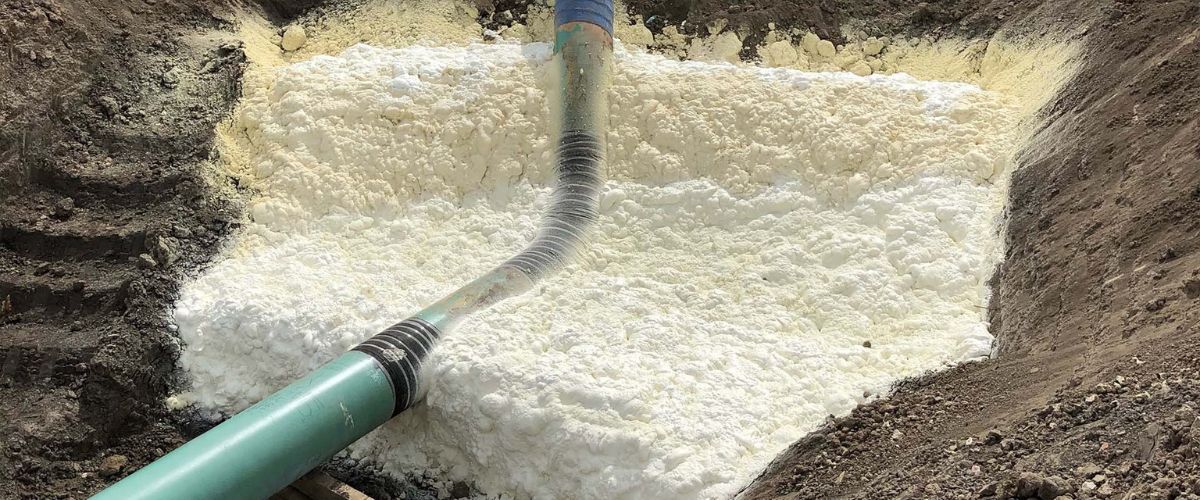
Soil Stabilization with Spray EZ: Innovative Solutions for Contractors
Soil stabilization is essential for ensuring the stability and longevity of construction projects, from road repairs to…
April 29, 2025
ExpandoThane™
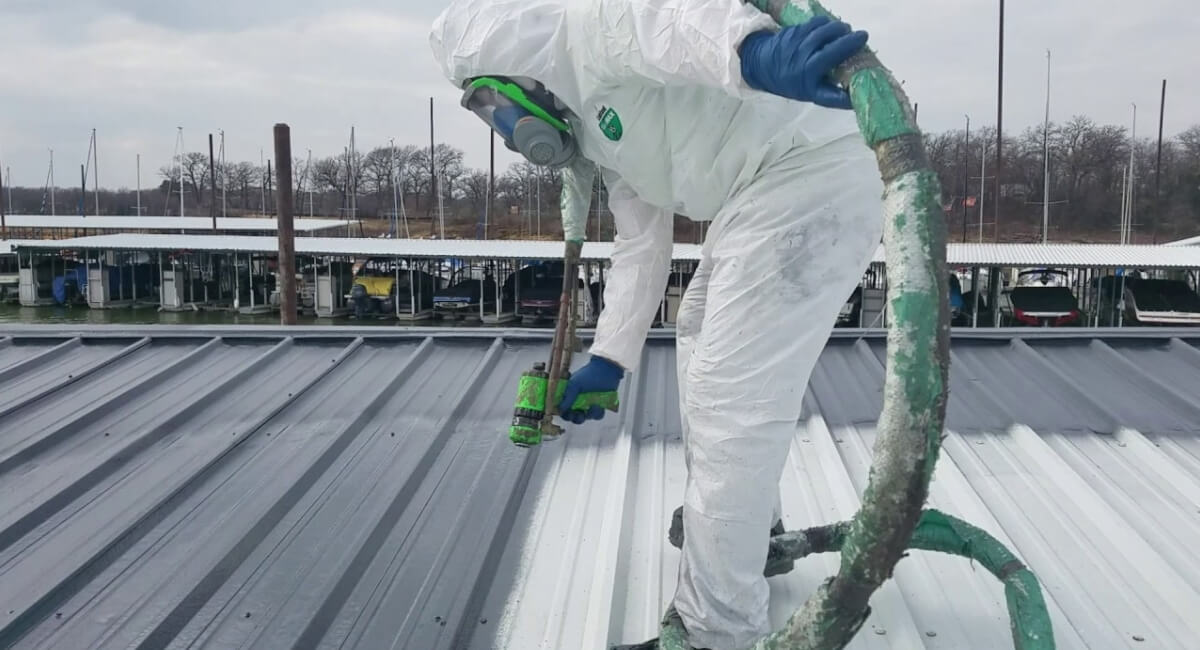
Roof Coatings: What You Need to Know to Get Started
Roof coatings are becoming a go-to solution for property owners looking to extend the lifespan of their roofs without the…