
Resources for Success in Your Spray Foam Business
Access articles, expert guidance, training opportunities, service forms, and more to keep your spray foam operation moving forward.
Learn More About Us
How can spray foam insulation help with building code compliance?
Staying Ahead of New Building Codes—How SprayEZ Helps You Deliver Stronger, More Efficient Builds With ever-evolving International Energy Conservation Code (IECC) requirements, contractors are…
Learn More >Quick Links
Quickly access the tools and resources you need to make confident purchasing decisions for your spray foam business.

Hands-On Training
Get real-world training on your equipment so you and your crew spray safely and confidently.
Attend a Workshop >
Expert Support
Count on knowledgeable technicians for equipment guidance, troubleshooting, service, and ongoing contractor support.
Talk to an Expert >
Rig Comparison Guide
We’ll help you match the appropriate rig to the type of services you would like to provide.
Explore the Guide >
Flexible Financing
We offer some of the best financing options in the spray foam rigs industry, as well as financing to help you invest in equipment and materials.
Explore Financing Options >Field-Tested Insights from Industry Experts
- All Categories
- Concrete Lifting
- Expandothane
- Soil Stabilization
- Spray Foam Business
- Spray Foam Business Add-on Services
- Spray Foam Insulation Material
- Spray Foam Machines
- Spray Foam Rigs
- Spray Insulation News
- Workshop/Training
- All Media Types
- Article
How can spray foam insulation help with building code compliance?

Why Start a Spray Foam Business?
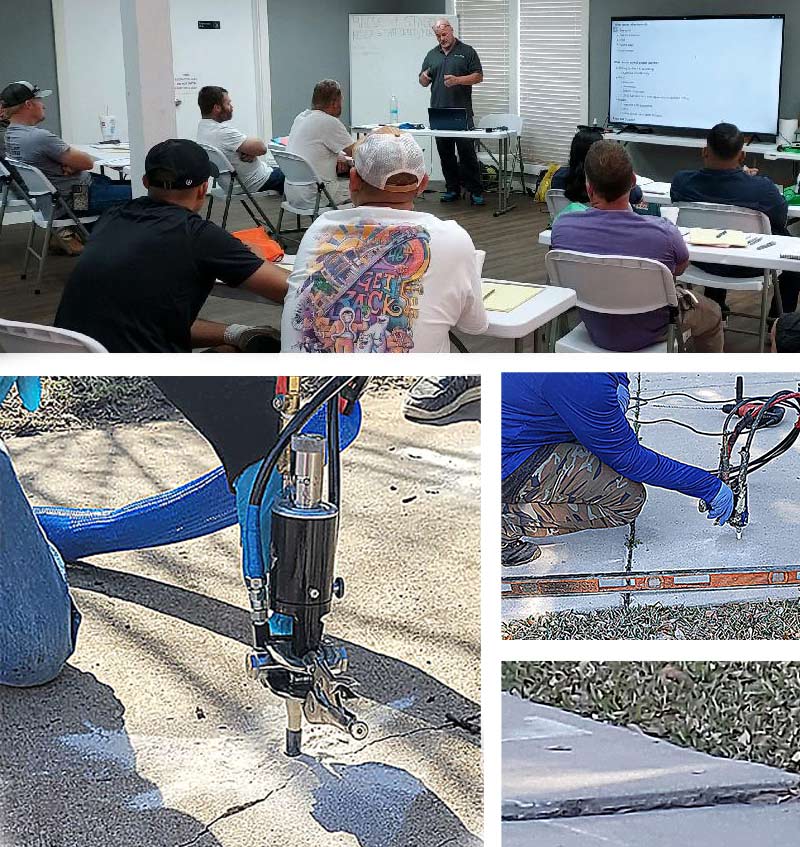
Master Your Craft with Spray EZ Rig Training
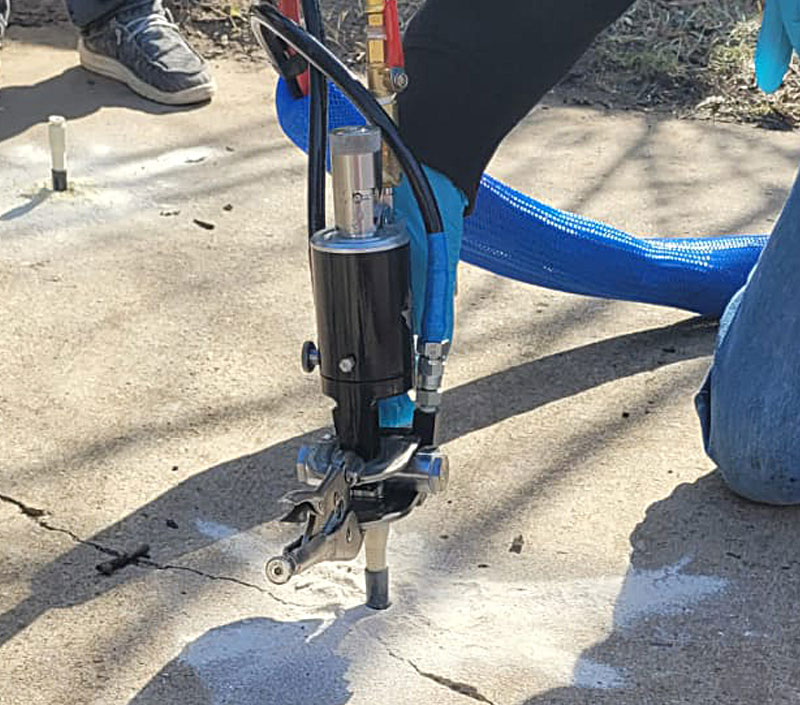
Concrete Lifting – Adding to Your Rig
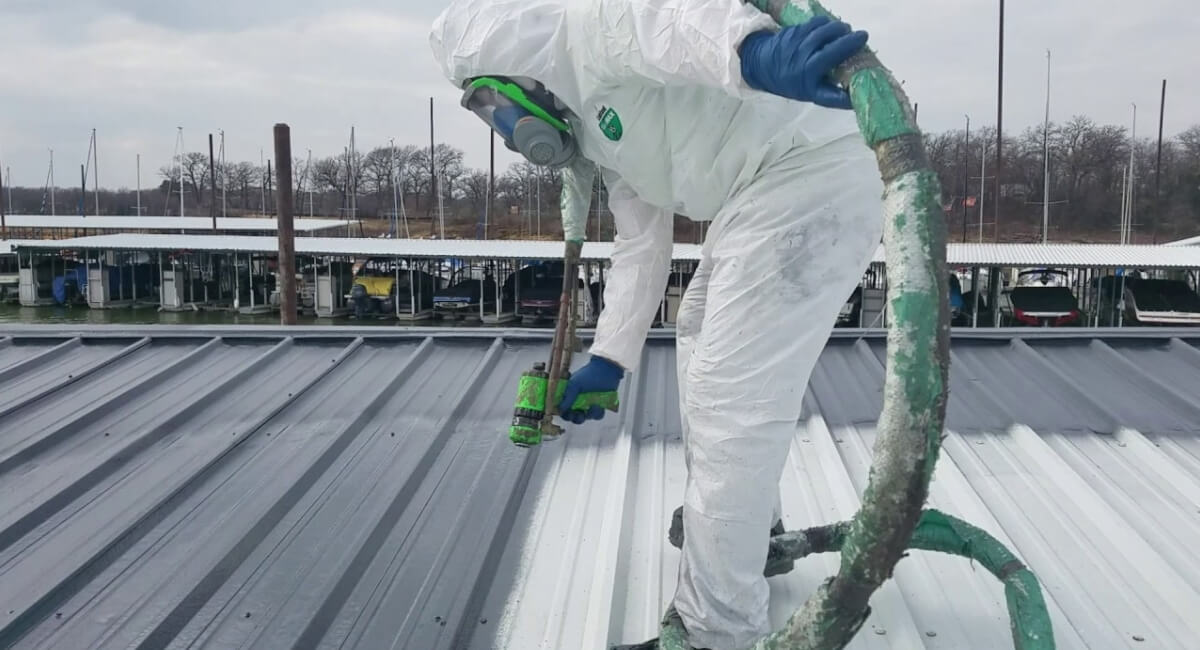
Roof Coatings: What You Need to Know to Get Started
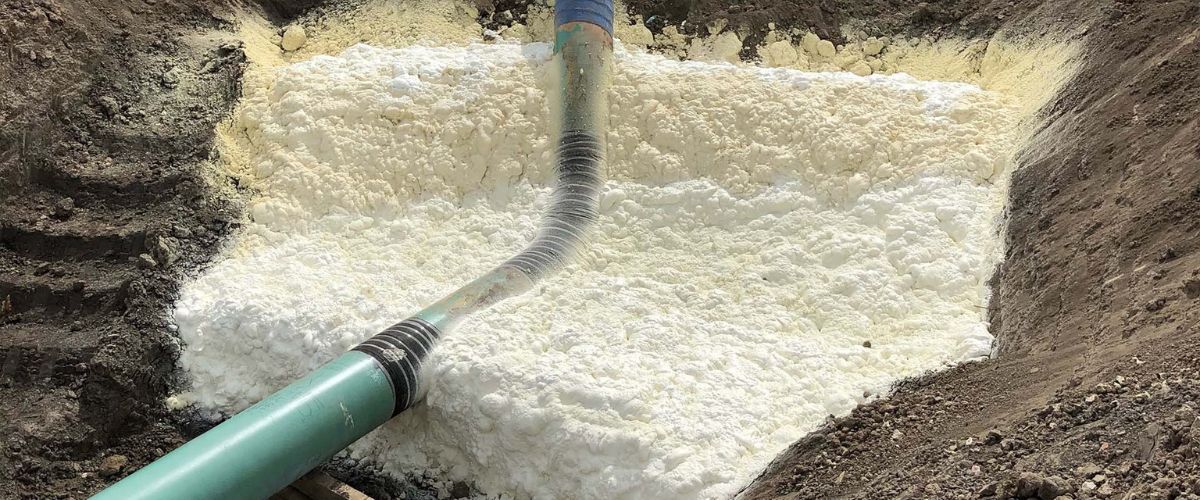
Soil Stabilization with Spray EZ: Innovative Solutions for Contractors
Choosing the Right Spray Foam Rig & Equipment: Your Guide to Optimizing Performance and Efficiency
Documentation and Tech Data
Click below for easy access to tech data sheets, MSDSs, operation & service manuals, product instructions and more.
Documentation & Tech DataReturn Authorization (RMA)
To return an item to SprayEZ, you must submit a Return Merchandise Authorization form. To access the form, click below.
RMA FormRecommended Safety Training
Please complete the following two training modules shown below before taking delivery of your new SprayEZ rig. When you’ve completed your safety education training, please send the certificate of completion to: [email protected]
Training Module 1
Spray Polyurethane Foam Chemical Health and Safety
This training provides information about the use, handling and disposal of SPF, potential health hazards and control measures, including engineering controls and personal protective equipment (PPE).
Register for Module 1Training Module 2
Low-Pressure SPF Chemical Health and Safety
This training provides information for weatherization professionals, applicators or helpers who work with one component SPF or two component low-pressure SPF kits/systems for air sealing/insulating. It is approved for 2.0 Building Performance Institute (BPI) Continuing Education Units (CEUs) and 2.0 RCI, Inc. Continuing Education Hours (CEHs).
Register for Module 2Your Questions Answered
Yes! We have a lending partner that specializes in rig packages, equipment, foam & polyurea loans. The application takes just minutes and you’ll know how much you qualify for in hours. APPLY NOW!
Like any other mechanical devices, spray foam insulation machines and the other components require periodic maintenance to run properly. During your training session you will learn about the intervals in which to check your system and perform these duties. Some of the system components you will be familiar with and require basic care.
Foam sprayer machines handle chemical compounds that need to be recirculated if the time between usage is greater than a few days. For longer intervals of time between use, you will need to flush the lines and clear the spray gun. Your trainer will walk you through these processes to ensure optimal performance.
Yes. You will need to wear protective eyewear, full-face respirators, full-coverage clothing and ventilate the area being sprayed. In a closed environment this gear is an absolute necessity. If the ventilation of the area being sprayed is inadequate a fresh air system or supply may be needed.
The difference between closed and open cell foam comes down to their physical properties and cell structure. Each type has an application in which it performs best, and both share good insulation R-Value, structure sealing and sound dampening qualities.
Open cell is lighter in weight, lower in density, less rigid and has a higher expansion rate. Most open cell applications are for dry areas that are not exposed to extreme moisture or water.
In comparison, closed cell is heavier in weight, more dense, rigid, adds structural integrity, has lower expansion rate, and is waterproof. Closed cell foam is ideal for areas that may be exposed to extreme moisture or direct exposure to water.
Proper maintenance is essential to keeping your spray foam equipment running smoothly. Watch our step-by-step video guide on how to shut down your rig properly and maintain your equipment to ensure longevity and optimal performance. Click the link below to learn more.
By following these best practices, you can prevent buildup, reduce downtime, and extend the life of your equipment.
All spray foam rigs come with a 1-year limited warranty. For more details or assistance, call us at 1 (904) 832-2111.
Your spray foam machine may be capable of spraying different types of foam and polyurea. Certain types of foam and polyurea require high pressure systems and will not mix, spray or perform properly with a low pressure system. Always consult with your sales agent and manufacturer technical data sheet for your specific system to be sure.
The average yield of closed cell spray foam ranges from 4,300 – 4,500 sqft at 1″ of depth. Open cell foam coverage ranges from 17,000 – 20,000 sqft at 1″ of depth. Actual yield results will vary and depend on how evenly the foam is applied and environmental conditions at the time it was sprayed.
You will need to estimate the volume of spray foam needed to complete your project. Measure the overall wall dimensions that will be sprayed, LENGTH x HEIGHT, then subtract the area of the door and window openings. To calculate the volume of foam needed for 2″ x 4″ walls multiply by 3.5, for 2″ x 6″ walls multiply by 5.5. To determine the number of foam sets needed to complete your project divide the VOLUME total by the average YIELD value for the foam you will be spraying. This calculation will result in the number of sets needed. Remember to round up to the next WHOLE NUMBER because drum sets are whole units and can’t be broken in to smaller sizes.